Are You Looking For A Solution To Your Fungal Toenails In Bishopbriggs, Glasgow ?
Our experienced podiatrists provide professional assessment and treatment to help restore healthier, clearer toenails.
Does Any of This Sound Familiar?
Do you find yourself being self-conscious, particularly in social situations where people may notice the affected nails?
Do you find it difficult to trim or maintain your nails properly, which results in discomfort?
Do you have brittle nails that are prone to breaking, which can be painful and interfere with your daily activities?
Do you have a foul smell from your affected nails that is starting to affect your confidence and social interactions?
Do you find yourself itching, scratching, or picking at the affected area?
Have you started to worry that you will never get rid of your fungal toenail and may never be able to resume the activities you love?
If you answered YES to any of the above, you're not alone. At The Springfield Clinic we hear stories like this every single day and we know EXACTLY how to help fix your fungal nail pain.
Signs and Symptoms That May Suggest You Have a Fungal Nail Problem
If you’ve got fungal nail problem – it’s very tempting to think that it’s nothing, that it will go away on its own. Or, you might pass it off as something “everyone” your age suffers from…
There’s no obvious reason why it happened – but it doesn’t seem to be shifting and its been there a good while now.
If that’s happening to you, you’re not alone – and we hear this type of thing all the time. In fact, it's one of THE most common nail problems that we see in The Springfield Clinic.
Common symptoms include:
Discoloured nails
Thickened nails
Brittle or crumbly nails
Buildup of debris under the nail
Foul odour
Difficulty in applying nail polish
Pain or discomfort
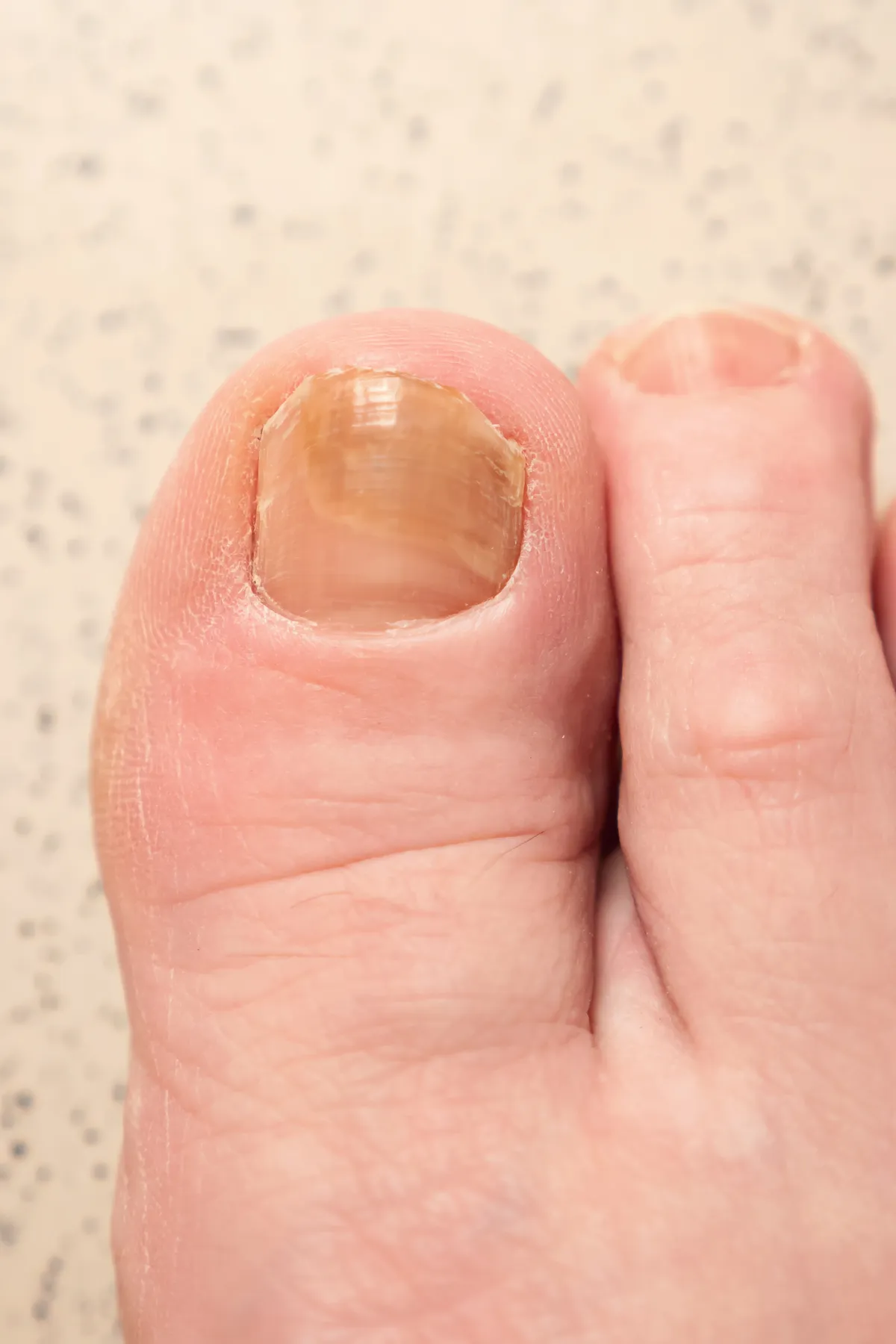
The Springfield Clinic Fungal Nail Programme
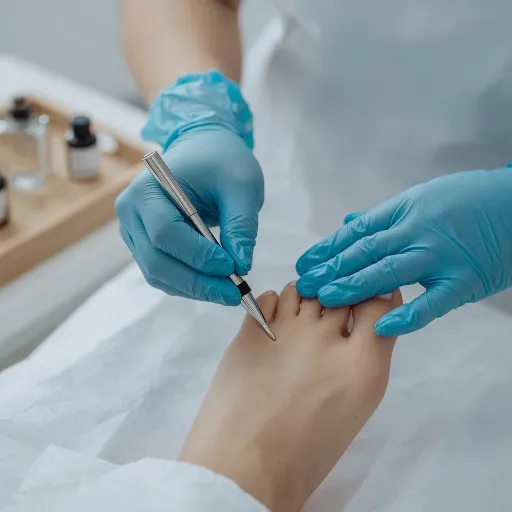
Step 1 - Comprehensive Toenail Examination
Our experienced and knowledgeable therapists will examine :
Your toenail range of movement
Your foot hygiene and footwear
The biomechanics of the way you walk
Any existing trauma or injury to the toenail
This process will help identify exactly what is causing your fungal toenails.

Step 2 - Customised Treatment Plan
The team at The Springfield Clinic are experts in fungal nail treatment.
We use the latest medical research and technology to produce a bespoke treatment plan to get you back fit and active doing all the things that your fungal nail is stopping you doing.

Step 3 - Recovery
Each treatment aims to gently and progressively get your moving again without pain, as quickly as possible, to allow you to get back to normal and start doing the things you love.
We will give you a structured rehabilitation programme, to help break the cycle and prevent the problem from returning.
4 Reasons To Choose The Springfield Clinic

Specialised Expertise
Our clinic offers specialised care from highly-trained podiatrist in various fields like sports rehab and chronic pain management.

Comprehensive Approach
We provide holistic treatment plans combining manual therapy, exercises, and cutting-edge technology for a well-rounded approach.

Cutting-Edge Facilities
Equipped with state-of-the-art facilities and advanced equipment to support patients' recovery.

Proven Track Record
Our clinic's reputation is built on successful patient outcomes and positive feedback, fostering a supportive environment for rehabilitation.
FAQS
Frequently Asked Questions About Fungal Nails
What causes fungal toenails?
Fungal toenails, also known as onychomycosis, are primarily caused by various types of fungi, such as dermatophytes, yeasts, and molds. These organisms thrive in warm and moist environments, making toenails susceptible to infection, especially in conditions like sweaty shoes or damp communal areas.

How can I prevent fungal toenail infections?
To prevent fungal toenail infections, practice good foot hygiene. Keep your feet clean and dry, trim your toenails regularly, wear breathable shoes, and change socks frequently. Avoid walking barefoot in public places like locker rooms and pool areas, and be cautious when getting pedicures to ensure that tools are properly sanitised.
What are the symptoms of fungal toenails?
Common symptoms of fungal toenails include discoloration (yellowing or darkening of the nail), thickening, brittleness, distorted shape, and a foul odor. In some cases, the infected nail may separate from the nail bed, leading to pain or discomfort.
How is a fungal toenail infection diagnosed?
Diagnosis often involves a visual examination by a healthcare professional. Additionally, they may take a nail clipping or sample to perform laboratory tests like a fungal culture or microscopy to identify the specific fungus causing the infection.
What are the treatment options for fungal toenails?
Treatment options vary, and they may include antifungal medications (oral or topical), medicated nail polish, or in severe cases, surgical removal of the nail. It's important to consult with a healthcare professional to determine the most appropriate treatment based on the severity of the infection.
How long does it take to cure a fungal toenail infection?
The duration of treatment varies depending on the severity of the infection and the chosen treatment method. It may take several weeks to several months for the new, healthy nail to replace the infected portion. Consistent and diligent adherence to the prescribed treatment is crucial for successful resolution.
Can over-the-counter antifungal products treat fungal toenails effectively?
While some over-the-counter antifungal products may provide relief for mild cases, consulting a healthcare professional for proper diagnosis and prescription-strength medications is advisable for more severe infections. Over-the-counter options may not be potent enough for effective treatment in some cases.
Are fungal toenail infections contagious?
Yes, fungal toenail infections can be contagious. Avoid sharing personal items such as nail clippers and socks, and practice good hygiene to reduce the risk of spreading the infection to others or other areas of your own body.
Can I wear nail polish if I have a fungal toenail infection?
It's generally recommended to avoid nail polish during the treatment of a fungal toenail infection, as it may trap moisture and exacerbate the condition. Keeping the nails clean and allowing them to breathe is crucial for effective treatment.
What should I do if home remedies don't improve my fungal toenails?
If home remedies prove ineffective, or if the infection worsens, consult a healthcare professional. They can provide a proper diagnosis and recommend appropriate prescription medications or other advanced treatment options. Early intervention increases the likelihood of successful treatment.
CONTACT US
We Are Conveniently Located At
SPB Podiatry, The Springfield Clinic, Springfield House, 6 Emerson Rd, Bishopbriggs, Glasgow G64 1QE
Ground Floor Clinic
Disabled Access
Car Parking
Local Transport Links

REVIEWS
Rated the best podiatrists in Southam — here’s what our patients are saying!
With years of training and experience, we combine our expertise with state-of-the-art equipment to provide the best possible care for all foot and lower limb conditions.
Our highly skilled podiatrists — previously based in London — now proudly serve the Southam community. See why our patients consider us the leading podiatrists in the area by reading their reviews.
Disclaimer
The contents of this website including any details given about conditions and treatments are for information purposes only and must not be used as a guide for self-diagnosis or self-treatment. Health First and Feet First (Southam) Limited do not accept any responsibility if the information held on these pages is used in any other way except for personal enquiry.

Contact Us
Feet First (Southam) Limited
Daventry Street
Southam
Warwickshire
CV47 1PH
Phone: 01926 811272
Email: [email protected]
Company Number: 04642090
Quick Links
Buy Foot Care Products
© 2022 Health First Foot and Gait Clinic | Warwickshire, CV47 1PH
Powered By