

PLANTAR FASCIITIS
Plantar fasciitis is one of the most common causes of heel pain we see atSPB Podiatry. The good news is... it can be treated.
What Is Plantar Fasciitis?
Plantar fasciitis is one of the most common causes of heel pain.
It's caused by overloading and degeneration of the plantar fascia - the thick band of tissue running from your heel bone to your toes. This is the structure supports your arch and absorbs load every time you stand or walk.
When the plantar fascia is repeatedly overstressed, microscopic tearing develops at its heel attachment. Pain follows, and without proper intervention, the tissue struggles to recover.
Crucially, plantar fasciitis is not simply inflammation. In many patients it becomes a chronic degenerative condition driven by poor foot mechanics, excessive load, or altered gait. Left untreated, it rarely “just goes away”.
WHY CHOOSE US?


HCPC REGISTERED PODIATRISTS

PRIVATE CONSULTATION

PROFESSIONAL SERVICE

COMPREHENSIVE ASSESSMENT

EVIDENCE BASED SURGERY

STERILE INSTRUMENTS

FULLY INSURED
What Are the Symptoms of Plantar Fasciitis?
Patients often tell us they:
Experience severe heel pain when they first get out of bed in the morning.
Heel pain returns after any prolonged sitting, then standing again.
Are limping and experiencing pain in their other foot, knees, hip or back.
Are avoiding walking or exercising due to the pain and concern that they may make things worse.
Have spent money on 'remedies' that have not helped.
Are growing increasingly concerned that your foot pain may never subside.
If you agree with any of the above, then we can help you at SPB Podiatry
How We Treat Plantar Fasciitis At
SPB Podiatry
STEP ONE - History
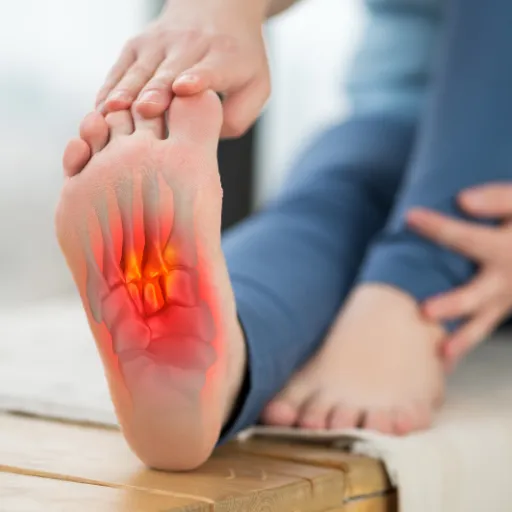
Our MSK (musculoskeletal) practitioner will take a full medical, medication, lifestyle & occupational history to determine whether any of these factors may cause or contribute to your presenting condition. This information is taken during a private consultation and stored on our secure database for your privacy & security.
STEP TWO - Assessment
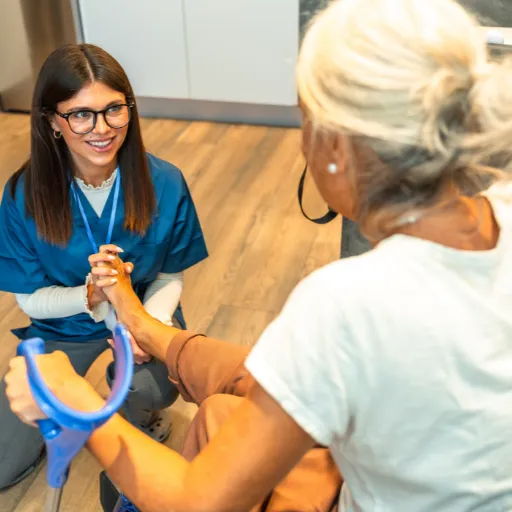
There are three elements to a MSK (biomechanical assessment). Firstly, we assess the ranges of motion of the main joints of your feet, ankle and lower limbs to assess ‘your normal.’ We then assess your posture to visualise the effect your feet have on your skeletal system when standing.
Finally, we assess how you walk to understand how your joints, muscles, ligaments and tendons are interacting and affecting your gait.
STEP THREE - Treatment

One we have determined the cause of your condition we advise on the most suitable treatment plan to treat the presenting problem and prevent reoccurrence.
Our goal is to provide 'evidence based' treatments that will treat the cause of the problem and prevent reoccurance,allowing you to resume your favourite activities without experiencing any pain.
Effective Treatment Options for Plantar Fasciitis
Plantar fasciitis responds best to accurate diagnosis and evidence-based treatment that addresses the underlying cause, not just the symptoms. Depending on your assessment, treatment may include:
Footwear and activity modification to reduce excessive load
Taping and strapping to off-load the plantar fascia
Prescription bespoke orthotics to correct biomechanics and redistribute pressure
Shockwave therapy to stimulate tissue repair in persistent cases
Therapeutic laser therapy to reduce pain and support healing
Corticosteroid injection in carefully selected cases
Referral for diagnostic ultrasound or MRI imaging where required
Referral to orthopaedic specialists when indicated
Your treatment plan is tailored to you and focused on both short-term pain relief and long-term prevention of recurrence, allowing you to return to walking, work, and exercise with confidence.

Download our free Guide to
Self-Help for Plantar Fasciitis
We have created a handy self-help guide to managing plantar fasciitis, developed by experienced podiatrists who treat this condition every day. It provides practical advice to help reduce symptoms and support recovery alongside professional care.

When to Seek Professional Help for Plantar Fasciitis

⚠️ Heel pain is affecting your walking or work
⚠️You are limping or changing how you walk
⚠️Pain is present daily or worsening
⚠️Symptoms have lasted more than 2–3 weeks
⚠️Rest, stretching, or insoles have failed
Ongoing pain is not normal. Earlier treatment leads to faster, more reliable recovery.
Do You Need To Book An Appointment?
Book Online At Anytime
Or Call 0123456789
Frequently Asked Questions
How much does treatment cost?
The cost of treatment depends on the assessment findings and the care required.
Some patients need simple interventions, while others benefit from gait analysis, orthotics, or advanced therapies.
We believe in transparent pricing and will explain all costs before treatment begins.
For up-to-date fees, please view our fees page or contact the clinic.Will plantar fasciitis get worse if untreated?
Yes — in many cases plantar fasciitis does worsen if left untreated.
Ongoing overload causes the plantar fascia to degenerate, leading to more persistent pain, reduced mobility, and longer recovery times.
What often starts as morning heel pain can become constant pain with walking, standing, and even daily tasks.Can I keep walking or exercising?
This depends on the severity of your symptoms and the cause of the overload.
Continuing to walk or exercise through pain often delays healing and can worsen the condition.
In most cases, activity modification — not complete rest — is advised, alongside treatment that reduces strain on the plantar fascia.Do orthotics really help?
Yes — when properly prescribed, bespoke orthotics are one of the most effective treatments for plantar fasciitis.
They work by redistributing load, improving foot mechanics, and reducing strain at the heel.
Generic insoles may provide temporary comfort but rarely address the underlying cause.How long does recovery take?
Recovery time varies depending on how long symptoms have been present and how well the cause is addressed.
With early, appropriate treatment, many patients improve within 6–12 weeks.
Long-standing or untreated cases can take several months, but still respond well to targeted care.What footwear should I wear?
Supportive footwear with good heel cushioning and rearfoot stability is essential.
Shoes that are flat, worn-out, or unsupportive often aggravate plantar fasciitis.
Footwear advice is best given after assessment, as the “right” shoe depends on your foot mechanics and gait.Why does my heel hurt when I first walk in the morning?
This is a classic sign of plantar fasciitis.
Overnight, the plantar fascia shortens while you rest. When you take your first steps, the tissue is suddenly loaded, causing sharp pain at the heel.
As the condition progresses, this pain often lasts longer and becomes more frequent.Is plantar fasciitis serious?
Plantar fasciitis is not life-threatening, but it can be function-limiting and debilitating if ignored.
Persistent pain affects walking, work, exercise, sleep, and overall quality of life.
Early diagnosis prevents chronic degeneration and long-term disability.Can plantar fasciitis cause limping?
Yes. Many people subconsciously alter how they walk to avoid heel pain.
This limping or altered gait increases stress on the ankle, knee, hip, and lower back, often leading to secondary pain or injury.Why hasn’t my heel pain gone away?
Heel pain often persists because the underlying biomechanical cause has not been addressed.
Rest, stretching, or insoles alone rarely resolve plantar fasciitis if abnormal loading continues.
A proper assessment is key to breaking the cycle of repeated tissue strain.
Do I need orthotics for plantar fasciitis?
Not everyone needs orthotics, but many patients do.
If your plantar fasciitis is driven by foot mechanics, arch collapse, or abnormal gait, orthotics are often essential for long-term recovery.
This is determined during a biomechanical assessment.How long does plantar fasciitis last without treatment?
Without treatment, plantar fasciitis can last many months or even years.
Some cases appear to improve, only to flare repeatedly.
The longer symptoms persist, the more resistant the condition becomes to treatment.Can plantar fasciitis affect my knee or back?
Yes. Pain-related changes in gait increase load through the knee, hip, and lower back.
We frequently see secondary problems develop when plantar fasciitis is left untreated.What causes chronic heel pain?
Chronic heel pain is usually caused by ongoing tissue overload, not inflammation alone.
Common contributors include poor foot mechanics, prolonged standing, inappropriate footwear, reduced calf flexibility, and altered gait patterns.Why does walking make my heel pain worse?
Each step loads the plantar fascia.
If the tissue is already damaged or overloaded, walking increases micro-trauma and prevents healing — especially without biomechanical correction.Should I keep exercising with plantar fasciitis?
High-impact exercise usually needs to be reduced or modified.
Low-impact activity may be appropriate in some cases, but this should be guided by assessment.
Pushing through pain often prolongs recovery.Can plantar fasciitis become permanent?
If ignored, plantar fasciitis can become a chronic degenerative condition that is much harder to treat.
However, even long-standing cases usually improve with the right diagnosis and treatment plan.Does gait affect plantar fasciitis?
Yes — gait plays a major role.
Abnormal walking patterns increase stress on the plantar fascia and prevent healing.
This is why gait analysis is a key part of effective treatment.Are insoles enough for heel pain?
Off-the-shelf insoles may provide short-term comfort but are rarely sufficient on their own.
They do not adapt to your foot mechanics or gait and often fail to prevent recurrence.When should I see a podiatrist for heel pain?
You should seek professional help if:
Pain lasts more than 2–3 weeks
You are limping or altering how you walk
Pain is worsening or constant
Self-help measures have failed
Earlier treatment leads to better outcomes.
Can plantar fasciitis stop me walking properly?
Yes. In more advanced cases, plantar fasciitis can significantly limit walking, standing, and daily activity.
This loss of mobility often develops gradually — which is why many people delay treatment longer than they should.
testimonials

What patients say about us...

SPB Podiatry, The Springfield Clinic, Springfield House, 6 Emerson Rd, Bishopbriggs, Glasgow G64 1QE
Links
Popular Pages
Practice Policies
Socials


© 2026 SPB Podiatry
We run on
